How Much Does a Personal Trainer Cost?
Personal trainer cost depends on the country, where you train, the trainer's experience and how many sessions you book. This guide has a price table for Saudi Arabia, Qatar, Kuwait and Egypt, and a fair way to compare two offers.
 By Abdelrhman MohamedCo-Founder & Head of Operations and ExpansionPublished
In this article 16
- What decides the cost of a personal trainer?
- Single session or package?
- Home, gym or online: where the cost differs
- How do gyms price personal training?
- Personal trainer cost by country: Sporship home-training packages
- Cost per month: how much does a package really save?
- How to compare two offers fairly
- How to lower the cost without losing the benefit
- Does a higher price mean a better trainer?
- Frequently asked questions
- How many sessions a week do I need?
- Why does a home session sometimes cost more than a gym trainer's session?
- Can I negotiate the price?
- Do I pay for a session I cancel?
- How much does a personal trainer cost in the UAE?
- The bottom line
How much does a personal trainer cost? There is no single figure, because the price changes with the country and city, where you train, the trainer's experience and how many sessions you book. For example, a single home session on Sporship in November 2026 costs SAR 250 in Saudi Arabia and EGP 800 in Egypt, and inside a package the cost per session falls to SAR 215 and EGP 550.
This guide covers what sets the price, a price table by country, a fair way to compare two offers and ways to pay less. If you are still asking what you are paying for in the first place, start with what a personal trainer does.
What decides the cost of a personal trainer?
Seven factors explain most of the gap between one price and another:
- Country and city: prices follow income levels and the cost of living, and they are higher in big cities.
- Where you train: at home, the price covers the trainer's travel time and equipment. In a gym, you pay the membership on top of the trainer's fee. Online usually costs less.
- The trainer's qualification and experience: years of work, certificates and the number of people they have trained.
- Specialty: sports such as kickboxing and swimming, or work with groups such as older adults and women after childbirth, need extra training on the trainer's side.
- Number of sessions: the cost per session inside a package is lower than a single session, and the longer the package, the lower it goes.
- Number of clients: a session for two people or a small group splits the cost.
- What the price includes: the length of the session, and whether you get a written plan and follow-up between sessions or the session only.
The last factor is the one most often forgotten in comparisons.
Single session or package?
A single session has the highest cost per session, with no commitment. A package lowers the cost per session in exchange for paying in advance and committing to a number of sessions within a set period.
With the Sporship home-training packages in Saudi Arabia, 8 single sessions cost SAR 2,000 (8 x 250), while the monthly plan of 8 sessions costs SAR 1,840, or SAR 230 per session. On the 3-month plan the cost per session drops to SAR 215.
| Single session | Monthly plan | 3-month plan | |
|---|---|---|---|
| Cost per session | Highest | Lower | Lowest |
| Amount paid in advance | Smallest | Medium | Largest |
| Commitment | None | One month | 3 months |
| Suits | A trial, or an occasional review session | Someone starting out who wants to see whether they keep going | Someone who has tried the trainer and knows they will stick to it |
The practical rule: do not buy a long package with a trainer you have never trained with. A discount is worth nothing if you stop halfway. Before you pay, ask how long the package stays valid and what happens to sessions you do not use.
Home, gym or online: where the cost differs
| Place | What you pay | Side costs | Notes |
|---|---|---|---|
| At home | The session price, which covers the trainer's travel and equipment | Almost none | You save travel time and the gym membership |
| In a gym | The trainer's fee, or the personal training package the gym sells | Gym membership and transport | Machines and weights you do not have at home |
| Online | A monthly coaching subscription, or the price of a live video session | Your own equipment, or a gym membership if you want one | Usually the lowest cost, and correcting technique is harder |
So do not compare the session price alone. In a gym you add the monthly membership to the trainer's fee, while at home you pay for the session and nothing else. The right figure is everything you pay in a month. For how home sessions work, see our guide to a personal trainer at home.
How do gyms price personal training?
Most gyms sell personal training in session packages, at a price added to the membership that varies with the trainer's level and the branch. These prices are not always published, so we quote no figures for named gyms. Ask the branch about the package price, the session length, how long the package is valid and whether you can change trainer.
Personal trainer cost by country: Sporship home-training packages
These are Sporship home-training package prices in November 2026, for one trainer and one client at the client's home. The first session includes the assessment.
| Country | One session | Monthly plan: 8 sessions | 3-month plan: 24 sessions |
|---|---|---|---|
| Saudi Arabia | SAR 250 | SAR 1,840 (230 per session) | SAR 5,160 (215 per session) |
| Qatar | QAR 250 | QAR 1,840 (230 per session) | QAR 5,160 (215 per session) |
| Kuwait | KWD 27 | KWD 168 (21 per session) | KWD 456 (19 per session) |
| Egypt | EGP 800 | EGP 4,800 (600 per session) | EGP 13,200 (550 per session) |
| UAE | The price is on each trainer's page | No published package price | No published package price |
Three notes on the table:
- Prices can change, so check the current price before you book.
- These are package prices. Trainers on the platform also set their own prices on their pages, and those can be higher or lower.
- The currencies differ, so do not compare the numbers of one country directly with another.
Cost per month: how much does a package really save?
Compare the package with the same number of single sessions:
- Saudi Arabia and Qatar: 8 single sessions cost 2,000 and the monthly plan costs 1,840, a difference of 160. 24 single sessions cost 6,000 and the 3-month plan costs 5,160, a difference of 840.
- Kuwait: 8 single sessions cost KWD 216 and the monthly plan costs KWD 168, a difference of KWD 48. 24 single sessions cost KWD 648 and the 3-month plan costs KWD 456, a difference of KWD 192.
- Egypt: 8 single sessions cost EGP 6,400 and the monthly plan costs EGP 4,800, a difference of EGP 1,600. 24 single sessions cost EGP 19,200 and the 3-month plan costs EGP 13,200, a difference of EGP 6,000.
The saving is real on one condition: that you attend every session. Buy 24 sessions and attend half, and each session you did costs twice the printed price. Before you choose the longer plan, ask whether you can really keep two sessions a week for three months, with travel, work and family occasions in the way. If you are unsure, the monthly plan is safer, even at a slightly higher cost per session.
How to compare two offers fairly
Two offers at the same price can differ a lot in value. Put both through these questions:
- Work out the cost per session. Divide the total by the number of sessions. A package of 12 sessions and a package of 8 cannot be compared by their totals.
- Work out the cost per minute if the lengths differ. A 60-minute session is not the same as a 45-minute one.
- Ask what comes outside the session. Does the price include a first assessment? A written plan for the days you train alone? Follow-up by message?
- Ask about validity and cancellation. Within how many days must you use the sessions? How much notice do you need to cancel a session without losing it?
- Add the side costs. Gym membership, transport, equipment you will buy.
- Compare the trainers themselves. Qualification, experience with cases like yours and client reviews.
- Turn everything into a monthly cost. Sessions per month x cost per session + side costs. That is the number that goes into your budget.
The lowest price is not always the best value. A trainer who teaches you in two months to carry on alone can cost less in the end than a cheaper one you stay with for a year without learning.
How to lower the cost without losing the benefit
- Choose a package over single sessions once you have tried the trainer for a session or two.
- Train with a partner: a friend or family member whose level and goal are close to yours. You share the trainer's time and the cost. Ask the trainer for the price of a session for two, because it differs from the one-to-one price.
- Fewer sessions plus training on your own: one session a week with the trainer and two workouts alone on a plan from them. You get the supervision for a third of the sessions, provided you do your part.
- Foundation sessions, then reviews: learn correct technique and take a plan, then go back to the trainer every month or two.
- Online training if you already have training experience.
- Do not pay for what you do not need: if your goal is general fitness, you do not need the most expensive trainer who specialises in preparing competitors.
What we do not recommend as a way to save money: a trainer with no qualification at all, a session so short that no time is left for a warm-up, or a long package bought only because its discount is large.
Does a higher price mean a better trainer?
Not necessarily. Price usually reflects experience and specialty, but it also reflects the city, the neighbourhood, the demand for that trainer and how well known they are. Judge by what you see. Did they assess you before training you? Is the plan yours? Do they correct, record and adjust? These points are explained in our guide on how to choose a personal trainer. If you have not yet decided whether you need a trainer at all, read is a personal trainer worth it?
Frequently asked questions
How many sessions a week do I need?
Most clients start with two to three sessions a week with the trainer. The monthly plan of 8 sessions means two a week, and you do the rest of your activity on your own.
Why does a home session sometimes cost more than a gym trainer's session?
Because its price covers travel time and equipment. In return you pay no gym membership and no transport, so compare the monthly total and not the session price.
Can I negotiate the price?
With an independent trainer you can ask for the price of a longer package or a session for two. Published package prices are usually fixed.
Do I pay for a session I cancel?
It depends on the cancellation policy. Most trainers ask for notice before the appointment, and a cancellation after that point counts as a session. Ask about the notice period before you book.
How much does a personal trainer cost in the UAE?
Sporship has no published package price for the UAE. Each trainer shows their price on their own page, so compare the pages using the method above.
The bottom line
The cost of a personal trainer comes from the place, the experience, the number of sessions and what the offer includes. Compare by cost per session and by the full cost per month, not by the total, and try a trainer before you buy a long package. If the budget is tight, a package, training with a partner and fewer sessions with workouts on your own all lower the cost without losing the benefit.
On Sporship you can browse trainers by area and specialty, see each trainer's price on their page, read client reviews and book sessions at home, in the gym or online.
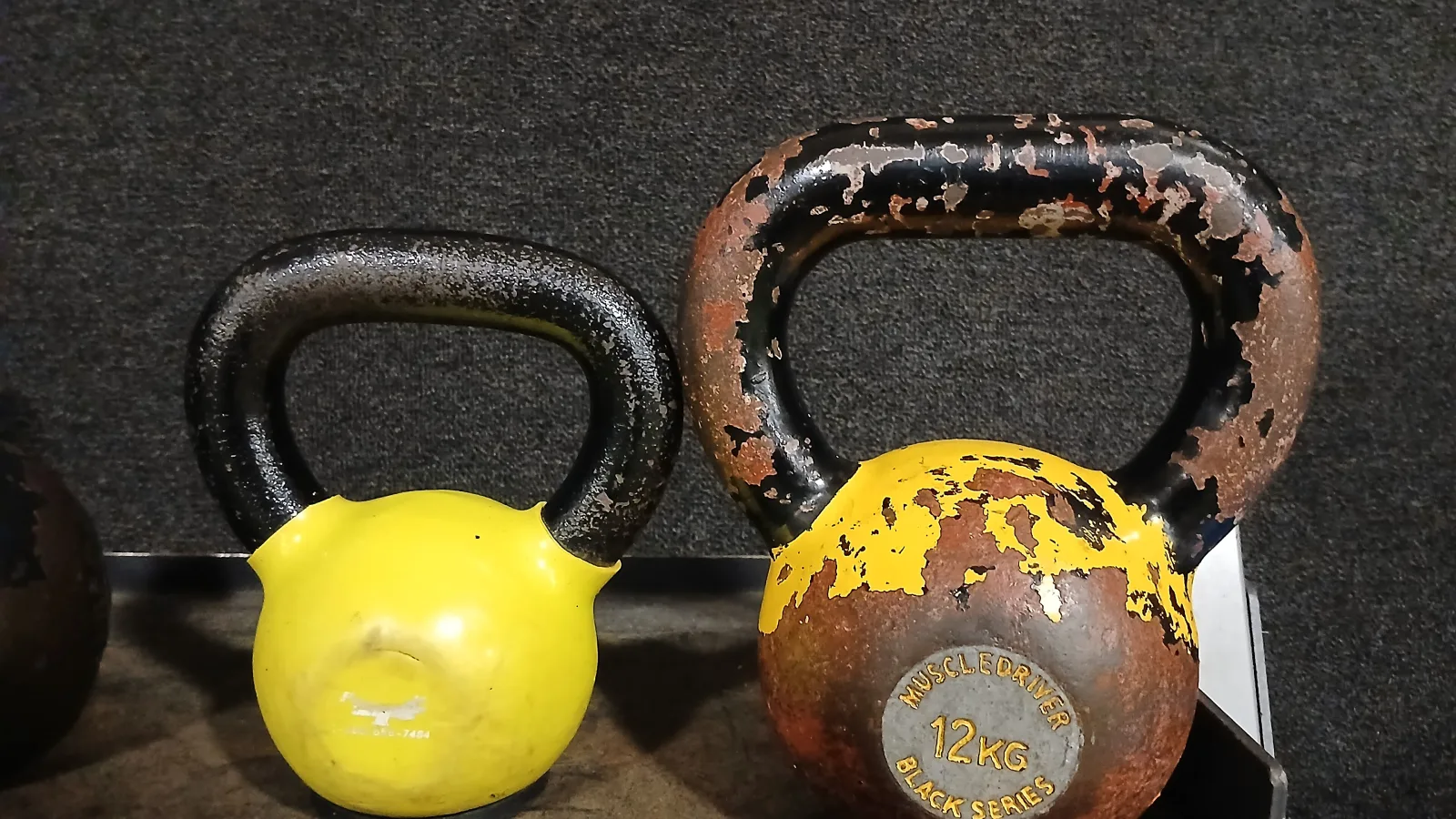
Photo: Ser Amantio di Nicolao, licensed under CC BY-SA 4.0.
How this article was made: This article was prepared with the help of AI tools.