Your First Personal Training Session: What to Expect
Your first personal training session is an assessment, an introduction and a light workout, not a strength test. Learn the steps, the questions the trainer asks, what to wear and bring, and the signs of a good start.
 By Ahmed SobhyCo-Founder & CEO | Fitness Operations & Business DirectorPublished
In this article 14
- First personal training session: what to expect, step by step
- What questions will the trainer ask?
- What should you tell the trainer?
- What to wear and what to bring
- Is soreness after the first session normal?
- Signs of a good first session
- Signs that should make you think again
- What happens after the first session?
- Frequently asked questions
- How long is the first session?
- Do I need to be fit before I start with a trainer?
- Will the trainer weigh me and take photos?
- What if I am not comfortable with the trainer?
- The bottom line
Your first personal training session is not a hard workout. It is a meeting and an assessment: the trainer asks about your goal, your health and your daily routine, tests your movement and strength with simple exercises, then takes you through a light workout to learn the basic movements. You leave knowing where you start and what the plan is, moderately tired and not exhausted.
Assessment is the first of the four tasks in a personal trainer's job, and the whole plan is built on it. Not booked yet? Read how to choose a personal trainer first. If you have booked and are nervous about the first session, here is what happens.
First personal training session: what to expect, step by step
- A short talk about your goal: what you want, why now and what you have tried before.
- Questions about health and lifestyle: details in the next section.
- Measurements, if you want them: weight and waist, for example. They are a starting point for later, and you may postpone or refuse them.
- Movement assessment: a squat with no weight, bending, raising the arms, balancing on one foot. They show your joint range and where you compensate.
- A simple strength and endurance test: push-ups, holding a plank, or a few minutes of brisk walking. The aim is to learn your level, not to embarrass you.
- A light trial workout: a warm-up, then a few basic exercises at a low load, with correction.
- Cool-down and stretching.
- The plan and the agreement: how many sessions a week, what you do alone between sessions and when the next appointment is.
On Sporship, the first session of the home-training packages includes the assessment. With any other trainer, ask before you book whether the assessment is part of the first session or a separate one.
What questions will the trainer ask?
Many questions at the start are a good thing. A trainer who does not ask gives you a plan that is not yours. Expect questions about:
- Your goal: what do you want to change, and is there a date that matters?
- Health: any chronic condition such as high blood pressure, diabetes, a heart problem or asthma, and any regular medicines.
- Injuries: past injuries or operations, and any current pain in the back, knee or shoulder.
- Experience: have you trained before, what did you do and why did you stop?
- Your day: the kind of work you do, hours spent sitting, sleep and stress.
- Eating in general: number of meals and habits, without writing you a therapeutic diet.
- Time: how many days you can really train, not how many you wish for.
- Likes and dislikes: exercises you enjoy and ones you cannot stand.
What should you tell the trainer?
Do not wait to be asked about everything. Volunteer the following:
- Any pain you feel now, even if it seems minor.
- Any dizziness, chest pain or shortness of breath you have had with effort before. These call for a doctor before exercise.
- The medicines you take.
- Pregnancy or a recent birth.
- What your doctor or physiotherapist has told you, if you are seeing one.
- Fear of a particular exercise, or a bad past experience.
- Your budget and the number of sessions you can keep up.
Hiding something so you do not look weak only harms you. The trainer is not judging you. They build the plan on what they know.
What to wear and what to bring
| Item | Why |
|---|---|
| Comfortable sportswear that lets you move | Squats and arm raises need clothes that are neither tight nor very loose |
| Trainers with a stable sole | For balance and safety. At home, make it a clean pair you use indoors |
| A bottle of water | To drink during the session |
| A small towel | For sweat, and to put on the machines in a gym |
| A list of your medicines and any medical reports | So the trainer knows the limits your doctor has set |
| Your membership card if the session is in a gym | So the start of the session is not lost at reception |
Eat a light meal well before the session, avoid a heavy meal straight before it, drink water, sleep well the night before and turn up a few minutes early. If the session is at your home, prepare the space as explained in our guide to a personal trainer at home.
Is soreness after the first session normal?
Mild to moderate muscle soreness after a new workout is common. It usually appears a day or two later as stiffness and tenderness in the muscle, then eases by itself within days. Light walking helps more than complete rest. Tell the trainer how you felt so they can set the next session's load.
What is not normal:
- Sharp or sudden pain during the workout.
- Pain in the joint itself and not in the muscle.
- Swelling, numbness or tingling.
- Pain that grows day after day when it should be easing.
- Chest pain, severe dizziness or unusual shortness of breath.
In these cases stop exercising and see a doctor.
Do not judge a session by how sore you are afterwards. A first session that leaves you unable to walk down stairs for three days shows a trainer who misjudged your level, not a strong one.
Signs of a good first session
- The trainer asked more than they talked about themselves.
- They assessed your movement before giving you any weight.
- They explained why they chose each exercise.
- They corrected you clearly and calmly, focused on you and not on their phone.
- They adjusted the exercise when you were tired or in pain.
- They kept to their limits: no diagnosis, no medicine or supplement prescribed.
- They did not promise a number within a set time.
- You left with a clear plan and something to do alone before the next session.
- You felt you could ask any question without embarrassment.
Signs that should make you think again
- The workout began with not one question about your health.
- You were given a punishing workout "to test your endurance".
- You were pressed to buy a long package before the session ended.
- The trainer mocked your level or compared you with others.
A bad first session does not mean personal training is not for you. It means this trainer is not for you.
What happens after the first session?
Agree the number of weekly sessions and what you do in between. Many people start with two to three a week. To compare a single session with a package before you commit, see our guide to personal trainer cost.
Health notice: If you have a chronic condition such as heart disease, diabetes or high blood pressure, an injury that has not healed, or you are pregnant, consult a doctor before the first session and tell the trainer what the doctor said. If you feel chest pain or severe dizziness while exercising, stop at once and seek medical help.
Frequently asked questions
How long is the first session?
Usually between 45 and 60 minutes. The assessment and questions can take a large part of it, and that is normal.
Do I need to be fit before I start with a trainer?
No. A trainer starts from your current level, whatever it is. Waiting "to get better first" only delays you.
Will the trainer weigh me and take photos?
Measurements and photos are a way to track progress and are not compulsory. Tell the trainer what you are comfortable with. Performance numbers such as weights and repetitions can be enough.
What if I am not comfortable with the trainer?
Tell them directly, as they may adjust their style. If nothing changes, change trainer. This is why trying one session before buying a long package is good advice.
The bottom line
The first session is an assessment, an introduction and a light workout, not a strength test. Be open about your health, your goal and your time, and turn up in comfortable clothes with water. You recognise a good session by the trainer's questions, their attention and the plan you leave with, not by how tired you are.
On Sporship you can browse trainers by area and specialty, read client reviews and book sessions at home, in the gym or online.
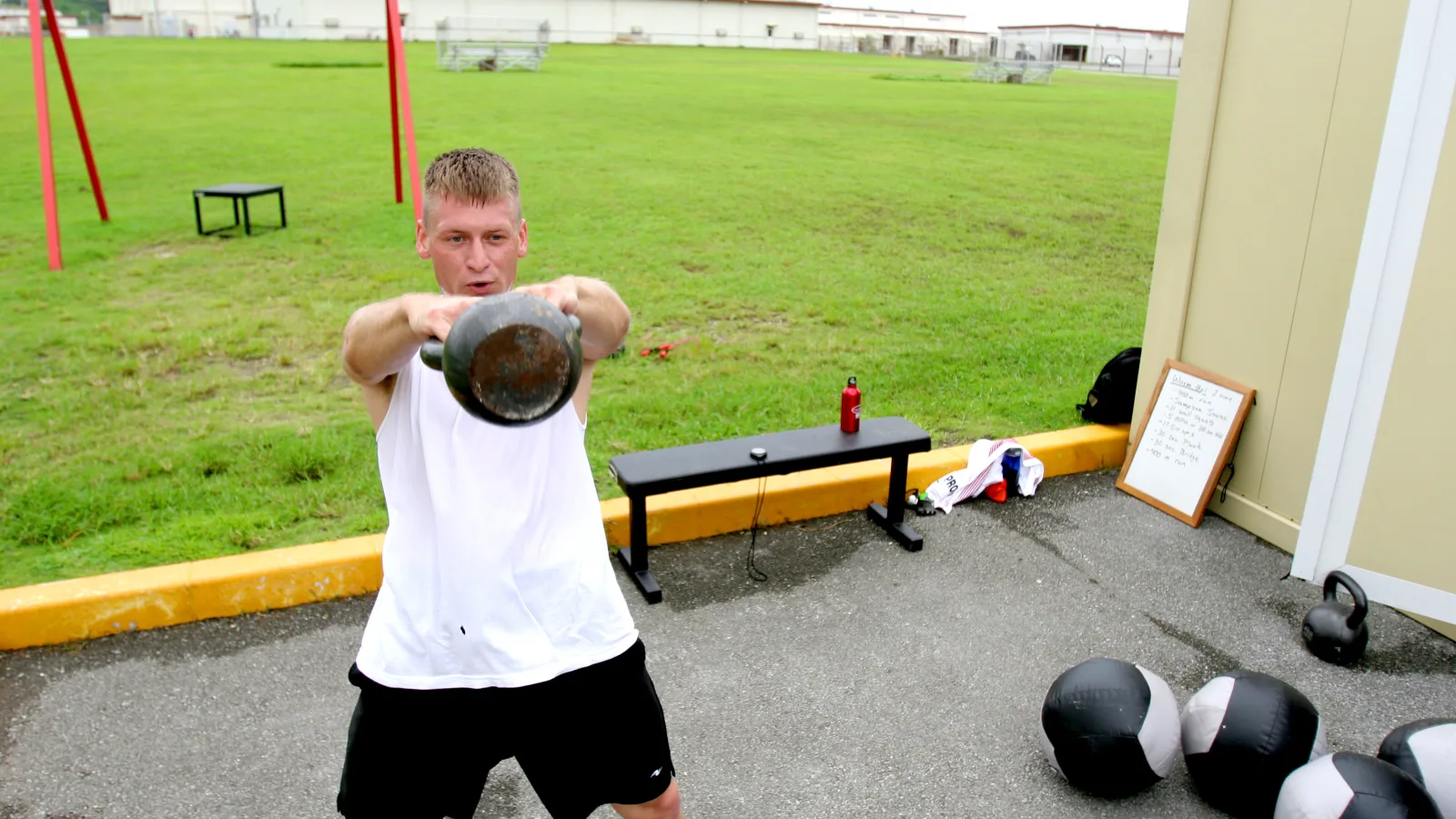
Photo: U.S. Marine Corps (public domain).
How this article was made: This article was prepared with the help of AI tools.